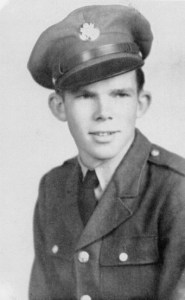
Nearly 16 million Americans served in uniform in WWII. I cannot imagine what feelings and emotions families felt as they said ‘good-bye’ to their sons and daughters leaving their small towns and communities in America to fight in a terrible world war far away in countries most had never been. For the Wilson family, it was a sad day. It was the last time they ever saw Chuckie – their son and brother.
Chuckie’s family was always proud of him, what he did for his country and the ultimate sacrifice made for freedom. Over the years since his death, each drew strength and comfort from the knowledge that he’d played a small part in protecting the freedom of others and winning the war. The pain of their loss was ever present for the rest of their days.
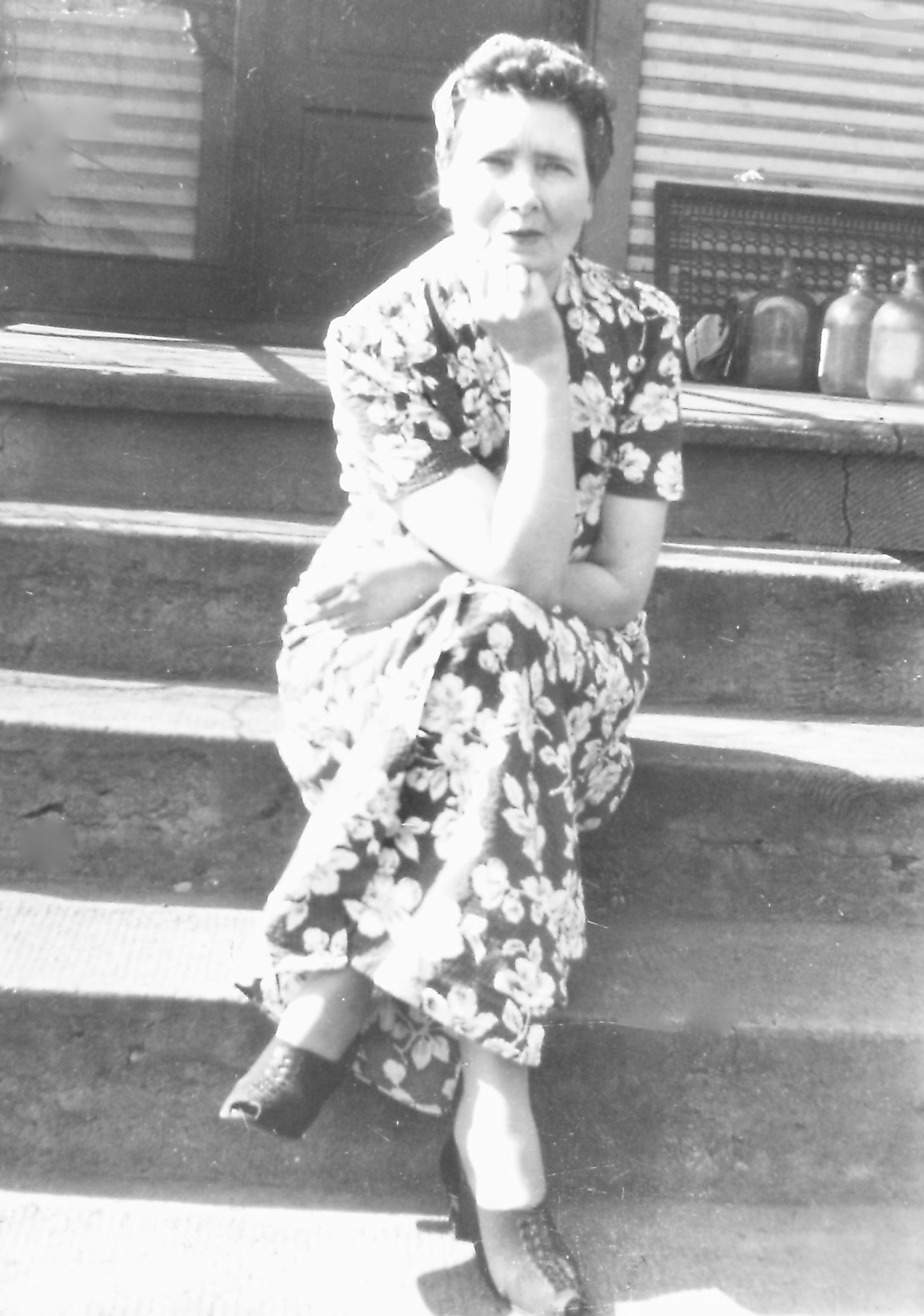
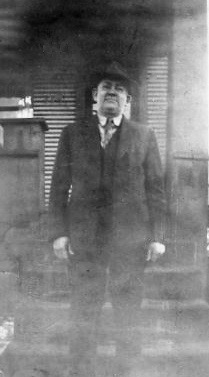
Chuckie’s parents Evie and “J.B.” were both in their early 50s when he left.
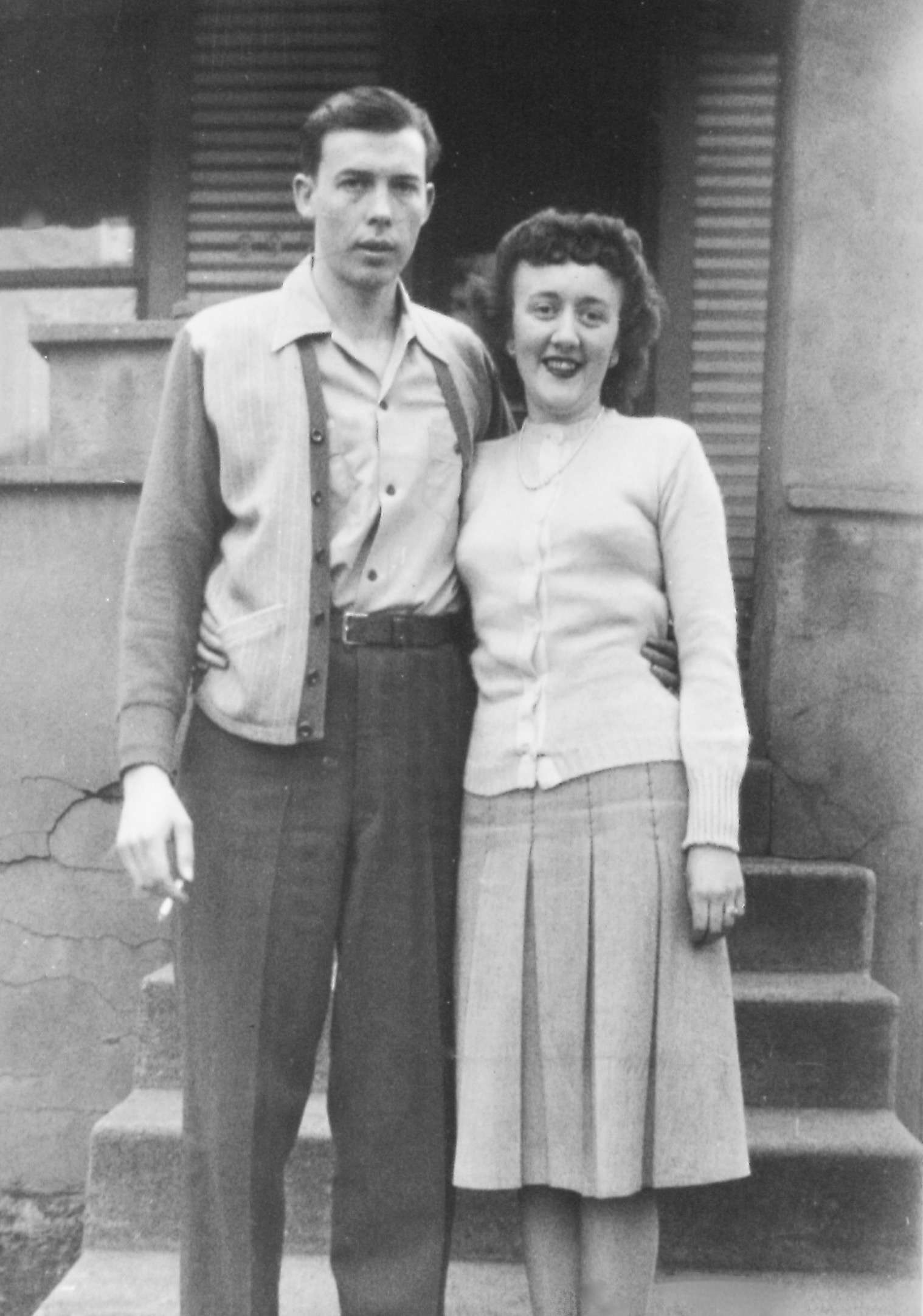
Chuckie’s brother Jack was newly married to Geraldine
(and maternal grandparents of this author).

His sister Mary was 18 years old and had just graduated from high school.
Much agonizingly painful time passed between 28 April 1944 when Chuckie was first reported as Missing in Action behind enemy lines to years later when his mother finally received the letter confirming he was Killed in Action and buried in France. The Wilson family never received many more facts surrounding his death. But there was so much more.
Today, there is considerable documentation among many different series of records in the National Archives relating to the casualties of the war. Individual casualty files exist for all service members who died while on active duty, such as Chuckie. Beginning in June 1943, such individual aircraft losses were documented by a “missing aircrew report” (MACR) prepared by the unit to which the individual was assigned. Thankfully, that record exists for Chuckie.All of these records helped me to compile many of the details you will see in future posts.
However, for many families there is no record. At least 30 percent of all operational losses are not documented by a MACR. Also a MACR documents only losses on combat missions when the plane came down in non-friendly territory.
The Second World War also became the first U.S. conflict to be documented visually through the use of film and photography on a large scale. I found so much more of that too that will be shared in future posts. I’m sorry that my great- grandparents and the rest of my family who knew him went through the rest of their entire lives never knowing the facts of Chuckie’s heroism and bravery that we know today.
Stay tuned.
 Unforgotten Glory