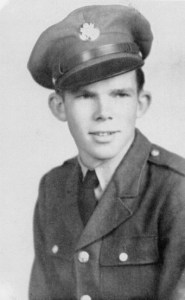
For over fifty years, families of American servicemen Killed In Action on Operation Carpetbagger like Chuckie knew very little about their loved ones’ dangerous, top-secret mission or the circumstances of their death. It was classified, top-secret. During World War II, Operation Carpetbagger was a general term used for the aerial resupply of weapons, ammunition, food, medical supplies, and sometimes even spies to resistance fighters in France, Italy, and other European countries by the U.S. Army Air Forces.
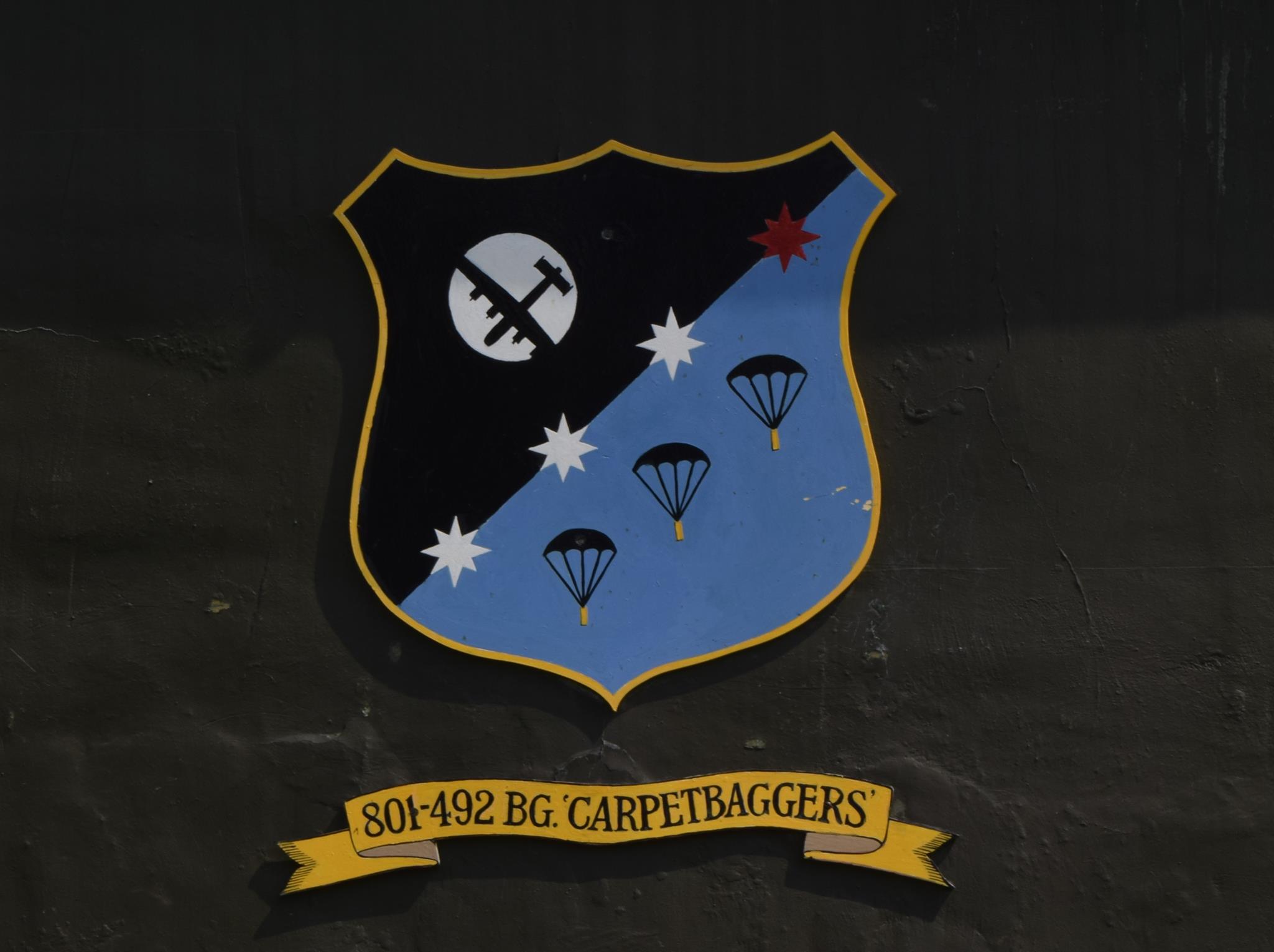
Today, thanks to declassification of Army Air Force and OSS records beginning in the 1980s, and many years of effort by a handful of researchers, there is considerable information on Operation Carpetbagger now available. It can easily be found in national archives, history books, museums, news articles, movies, websites and YouTube videos. (Don’t worry reader, the entire history won’t be covered on this blog. Just what’s relevant to complete Chuckie’s story.)
Operating under the cover of night darkness and often in weather considered impossible for flying, they flew Consolidated B-24 Liberators to supply French partisan groups north of the Loire River in support of the upcoming D-Day invasion. Chuckie and his air crew joined the Carpetbaggers at Harrington on 25 March 1944 and flew five successful missions to France and back again over the following weeks of April 1944.
They dropped canisters of supplies to resistance fighters: radios, batteries for radios, weapons, ammunition, first aid supplies, food, clothing, and many other daily necessities. They also delivered items used in the world of espionage agents. A parachute attached to one end of a canister, and the other end had a shock-absorbing cap to protect the contents. Once on the ground, resistance forces quickly gathered the canisters before German forces could arrive.
I found on YouTube a fascinating 15-minute Central Intelligence agency archival film hat’s been digitally restored of the actual Carpetbaggers at Harrington. At minute 12:40, watch for the aviator checking his watch on the farthest left. When he lifts his head up and looks at the camera, is it possible we catch a glimpse of Chuckie for a brief moment? Some in Chuckie’s family think so.
In addition to the dangers from German night fighters and flak, the Carpetbaggers always ran the risk of crashing into hillsides as they made low-level parachute deliveries to the resistance forces waiting below. I found out that is exactly what happened to Chuckie and his fellow airman of “The Worry Bird” that fateful night. Stay tuned.
Carpetbaggers were among those who received the Congressional Gold Medal in DC last year. The group has been generally recognized as the ancestor of today’s Air Force Special Operations. The National Air Force Museum in Dayton, Ohio has one of the few surviving Consolidated B-24 Liberators like Chuckie flew on display.
I hope to see it one day.
 Unforgotten Glory