14 April 1944 – Letter from Home, “You’re an uncle!”

Sometime shortly after 14 April 1944, Chuckie received news that his brother and his wife had a baby girl, his first niece. It was most likely sent by V-Mail.

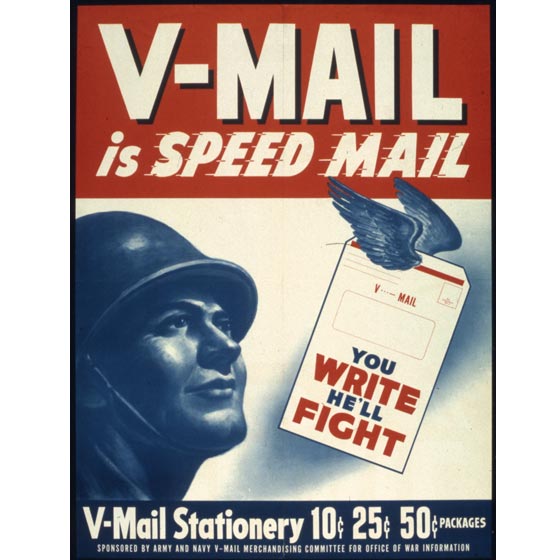
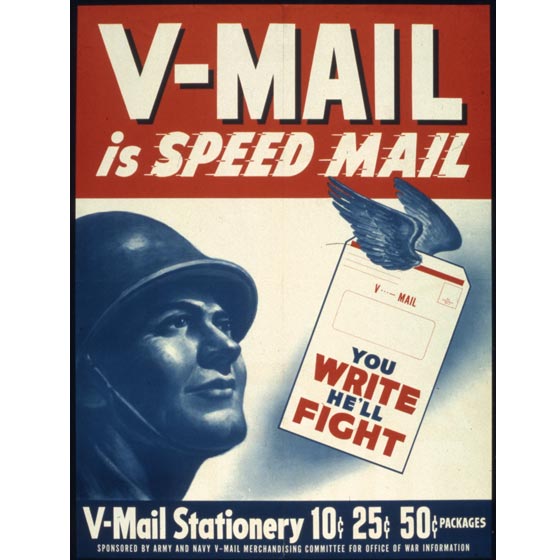
During WWII many babies were born while their fathers, brothers, cousins and uncles were away at the battlefront. Letters served as a vital link between loved ones and friends. V-Mail became extremely popular. It was a quick way to deliver a lot of mail to troops, boost moral and for the troops to get caught up on what was going on at home.

The emotional power of letters was heightened by the fear of loss and the need for communication during times of separation. The Post Office, War, and Navy Departments worked together to ensure V-Mail for civilians and service members around the world. 
The Postal Museum has an interesting and informative Victory Mail online exhibit.
“Here’s a photo of your new niece.”

Because V-Mail stationery served as a letter and envelope in one, enclosed objects and photographs were prohibited. In 1943 the War Department amended the restriction on sending photographs allow photos of “infants born after a soldier departed for overseas or those under 1 year of age” and it could include the mother. The photographs were transposed onto the regulation forms “without altering, treating, or sensitizing the form in any manner.”

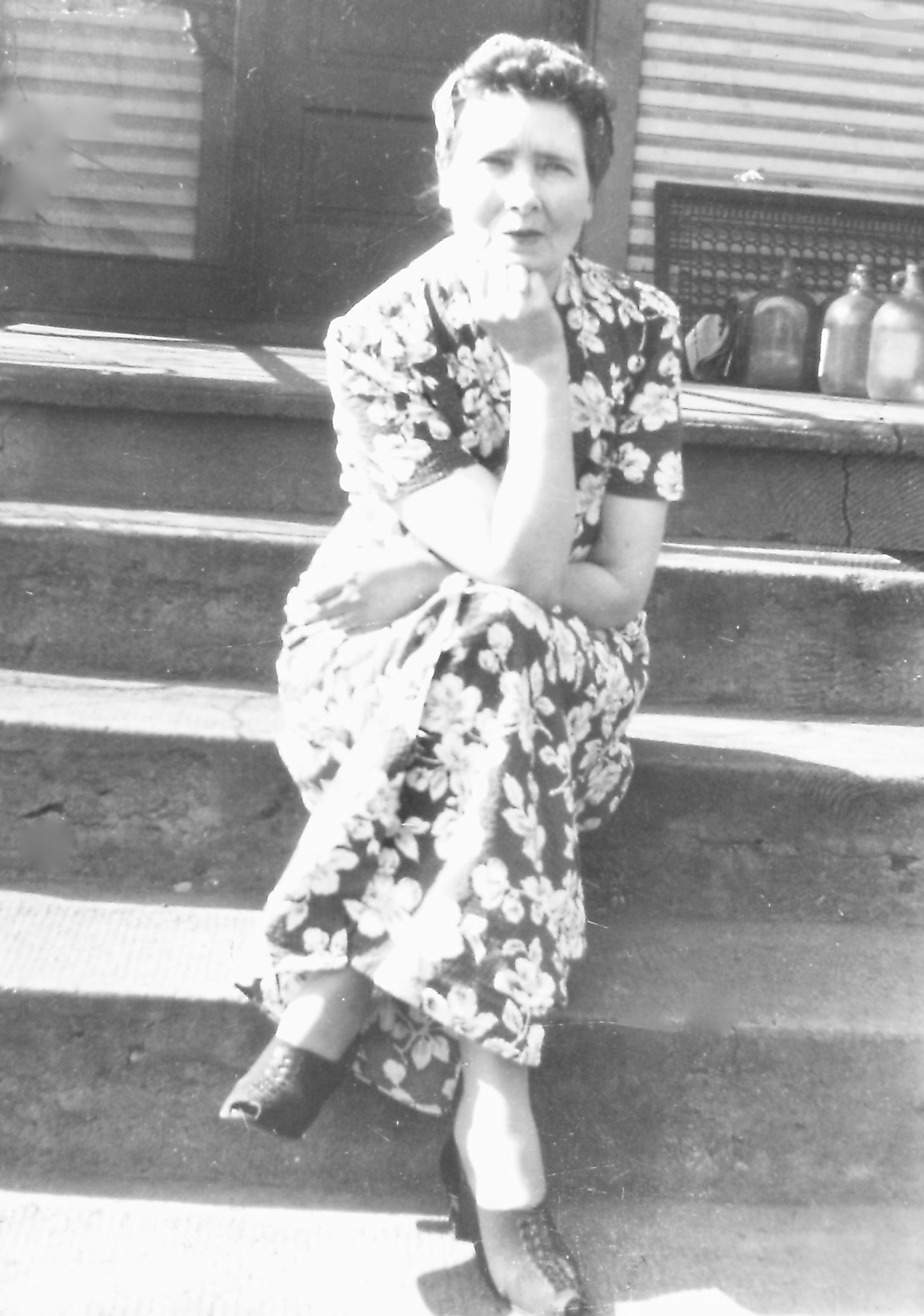
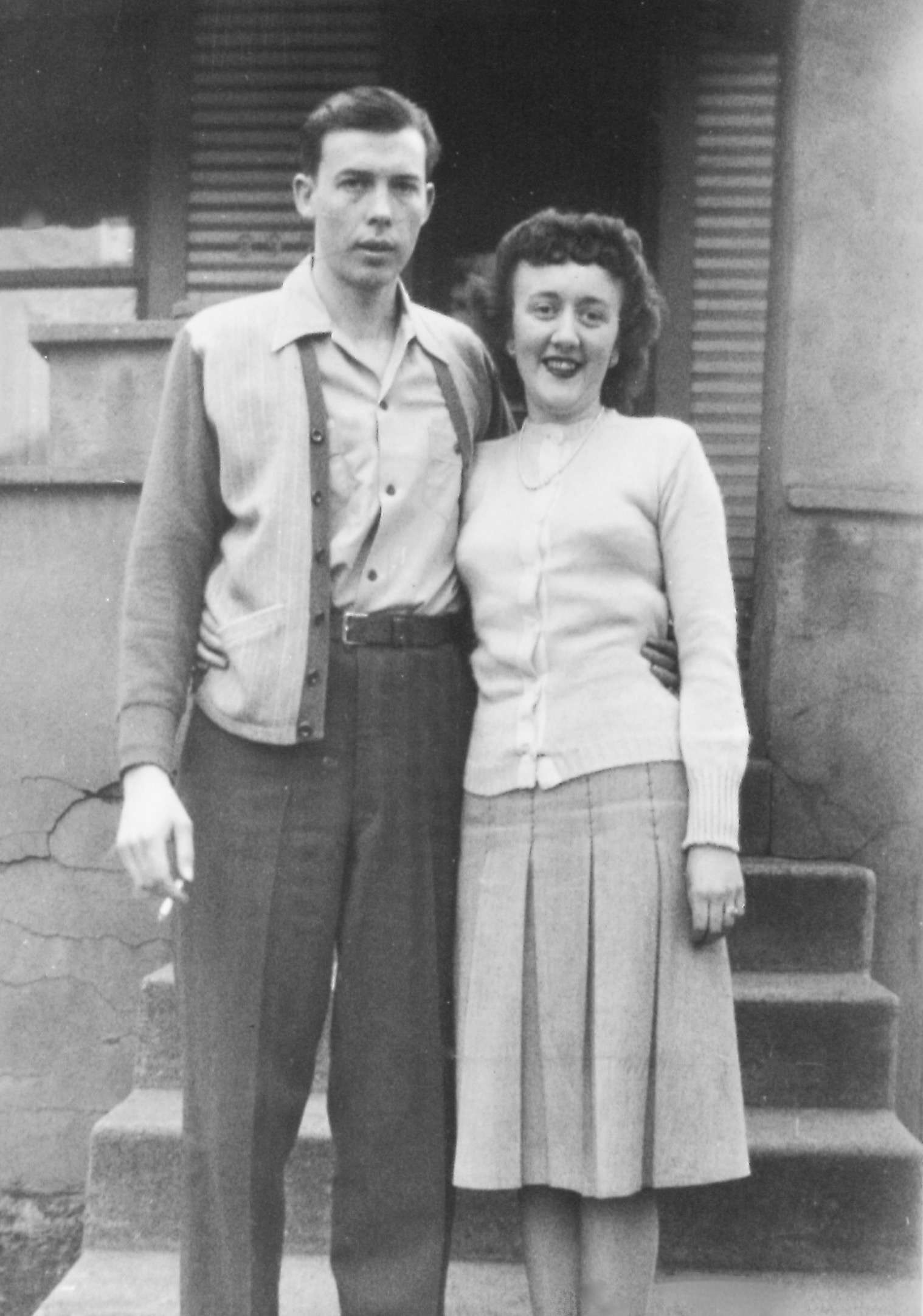
Here is the regulation standard photo taken by Chuckie’s brother to be sent V-Mail to Chuckie on the battlefront – his newborn infant niece, born after Chuckie departed for overseas, held by her mother. It is unlikely that Chuckie ever saw this photo.

Chuckie would never meet his neice.
He never came home.
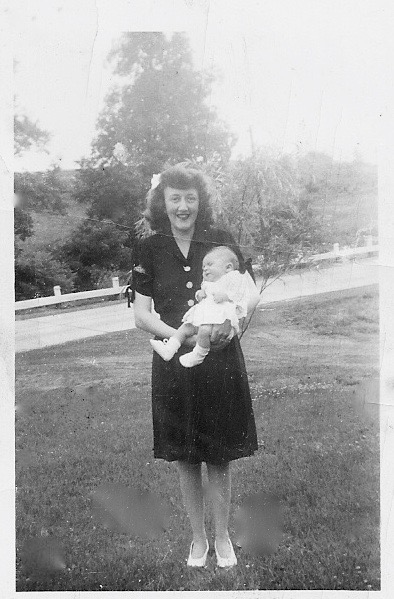
Chuckie's sister-in-law holding his newborn neice
Chuckie’s sister-in-law holding
his newborn niece

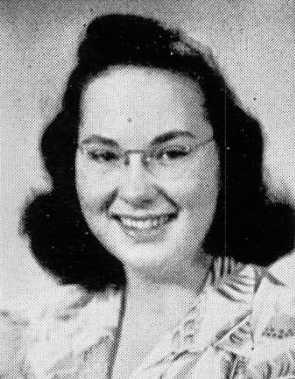
Chuckie's niece is the Unforgotten Glory blog author.
14 April 1944 – a Letter from Home, “You’re an uncle!”

Sometime shortly after 14 April 1944, Chuckie received news that his brother and his wife had a baby girl, his first niece. It was most likely sent by V-Mail.

During WWII many babies were born while their fathers, brothers, cousins and uncles were away at the battlefront. Letters served as a vital link between loved ones and friends. V-Mail became extremely popular. It was a quick way to deliver a lot of mail to troops, boost moral and for the troops to get caught up on what was going on at home.

The emotional power of letters was heightened by the fear of loss and the need for communication during times of separation. The Post Office, War, and Navy Departments worked together to ensure V-Mail for civilians and service members around the world. 
The Postal Museum has an interesting and informative Victory Mail online exhibit.

“Here’s a photo of your new niece.”

Because V-Mail stationery served as a letter and envelope in one, enclosed objects and photographs were prohibited. In 1943 the War Department amended the restriction on sending photographs allow photos of “infants born after a soldier departed for overseas or those under 1 year of age” and it could include the mother. The photographs were transposed onto the regulation forms “without altering, treating, or sensitizing the form in any manner.”

Here is the regulation standard photo taken by Chuckie’s brother to be sent V-Mail to Chuckie on the battlefront – his newborn infant niece, born after Chuckie departed for overseas, held by her mother. It is unlikely that Chuckie ever saw this photo.

Chuckie would never meet his neice.
He never came home.

Chuckie's sister-in-law holding his newborn neice
Chuckie’s sister-in-law holding
his newborn niece

Chuckie's niece is the Unforgotten Glory blog author.
1 April 1944 – 801st Bomb Group Established

Chuckie’s 36th Bombardment Squadron and the 406th Bombardment Squadron formed the 482nd Bomb Group at the beginning of 1944. It was the only U.S. 8th Army Air Force Bomb Group formed outside of the United States during WWII. 

On 1 April 1944 they were placed under the provisional 801st Bomb Group at RAF Harrington. Twenty four of the fat B-24s arrived and were soon squatting on the hardstandings round the perimeter of the airbase.  More than a thousand troops would move into Harrington during April of 1944. The first “Carpetbagger” missions were carried out by this unit under the control of General “Wild Bill” Donovan’s Office of Strategic Services (OSS). The group has been generally recognized as the ancestor of today’s Air Force Special Operations.

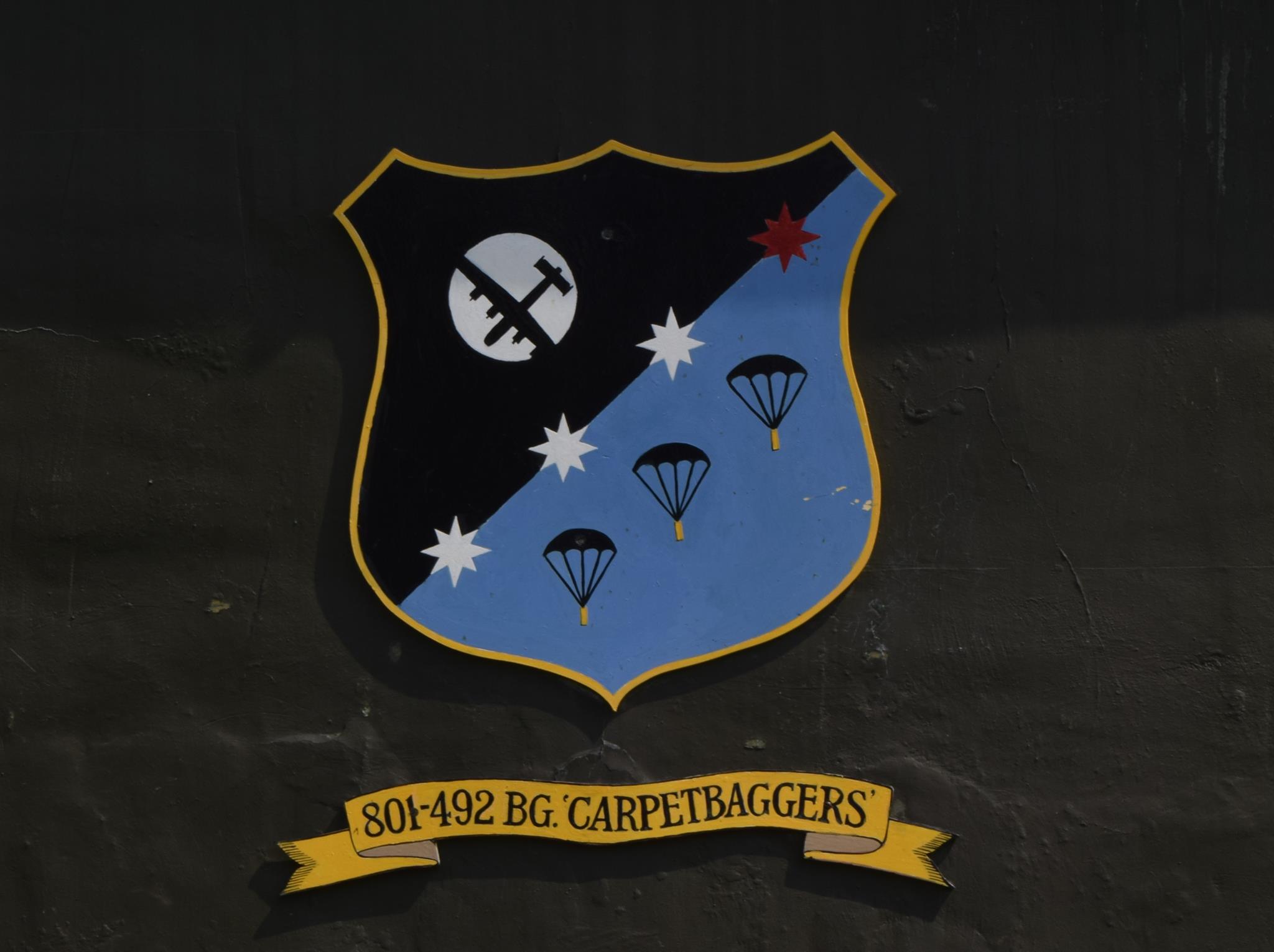
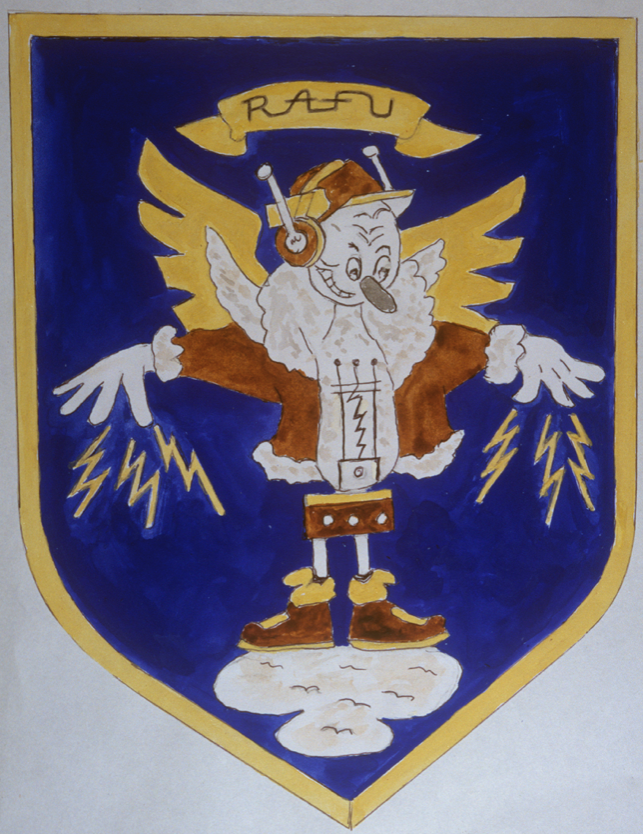
The insignia of the 36th Bomb Squadron (Radar Counter Measures)
from The American Air Museum in Britain

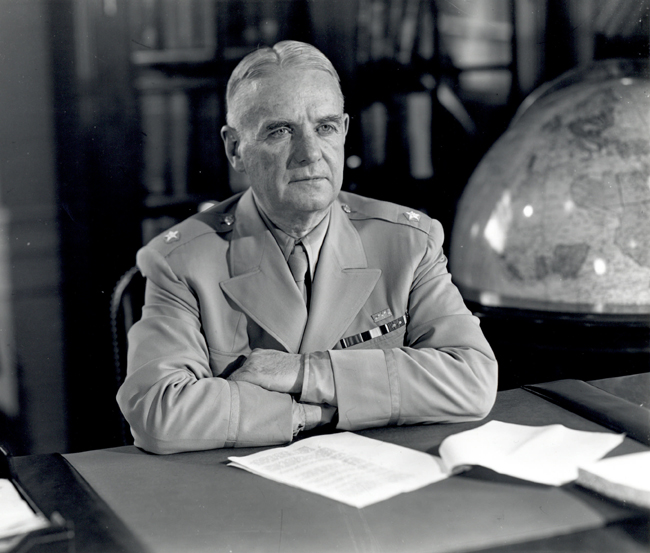
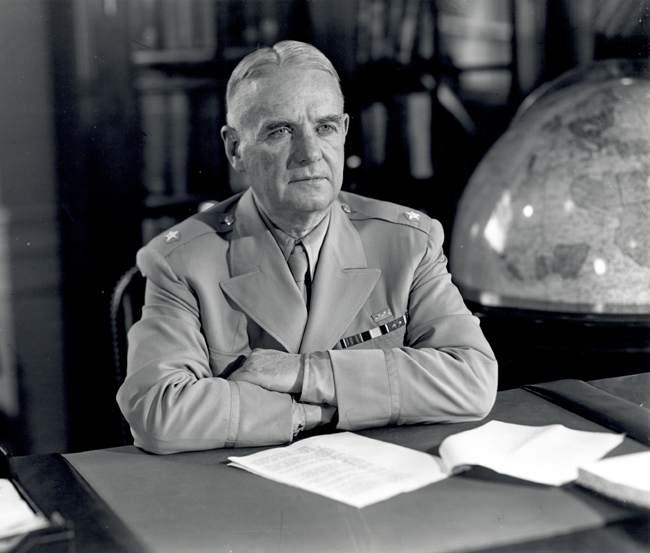
Gen. William J. Donovan Heads Office of Strategic Services

The Office of Strategic Services (OSS) was a wartime intelligence agency of the U.S. during World War II, and a predecessor to the Central Intelligence Agency (CIA).

The OSS consisted of men and women from many areas and backgrounds — lawyers, historians, bankers, baseball players, actors, and businessmen. Their assignment was to conduct espionage, sabotage, and morale operations against the Axis powers, and conduct in-depth research and analysis on the nation’s enemies and their capabilities.

The OSS was instrumental in many of the successes during World War II, including providing the U.S. government with advance information about German efforts to develop atomic weapons and the plot to assassinate Hitler.

Donovan became known as the “Father of American Intelligence.  More information on him and the OSS can be found on the CIA website


Gen. William J. Donovan, also known as “Wild Bill” Donovan.
Source: https://www.archives.gov/files/research/military/ww2/oss/images/img7.jpg

25 March – Move to RAF Harrington airbase for Operation Carpetbagger

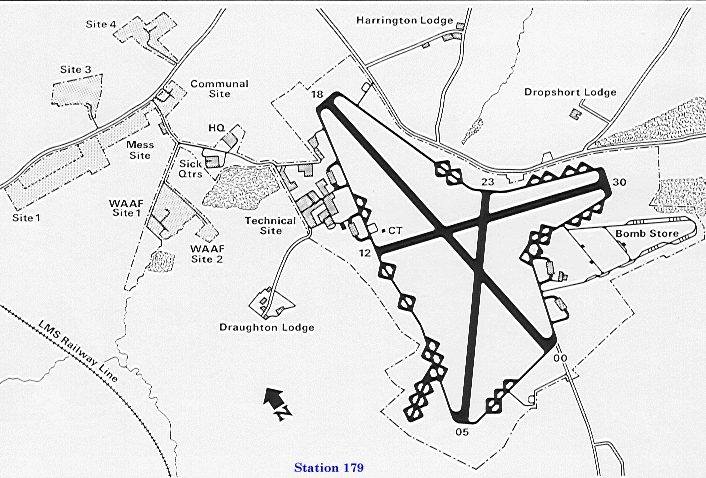
Chuckie’s 36th Bombardment Squadron moved into a more secluded, more secure airbase Royal Air Force Station (RAF) Harrington on 25 March 1944. It was built for heavy bomber use, the main runway length being about a mile. Approximately 860,000 square yards of concrete were laid, with one and three quarter million bricks being used, 210,000 cubic yards of soil being moved and 6 miles of roadway formed.

Chuckie was part of the initial operational squadron at Harrington. When they moved there, his 36th Bombardment Squadron was assigned to the 801st Bombardment Group.

A plan of the Harrington airfield (station 179) which had been built by
US Army Engineers and local contractors.

The Group had already adopted the nickname of “Carpetbaggers” from its original operational codename. A Carpetbagger Aviation Museum at the site of the former airfield has on its website interesting photos and other historical information that provided me with additional details about the last weeks of Chuckie’s life.

It was loud, busy and always noisy, by all accounts. Yet looking at this 1944 B&W photo, even today, one can almost smell the fresh cut grass of the airfield and clearly see the beauty of a green English countryside that Chuckie and his crew would have experienced every day.


Afternoon lineup (photo taken looking south) at the airfield
where Chuckie’s plane took off from at RAF Harrington
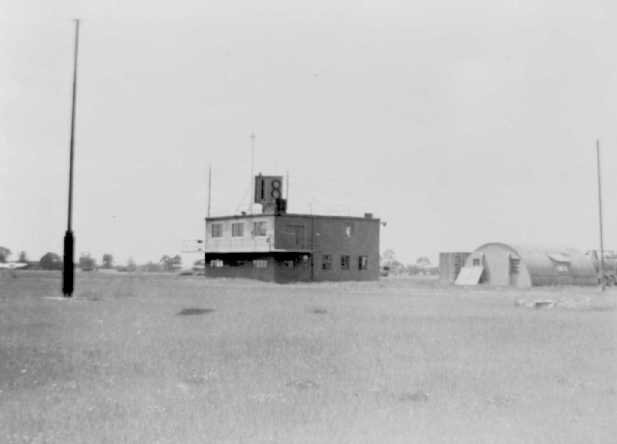
The Control Tower at RAF Harrington which guided Chuckie’s plane’s take off that night.
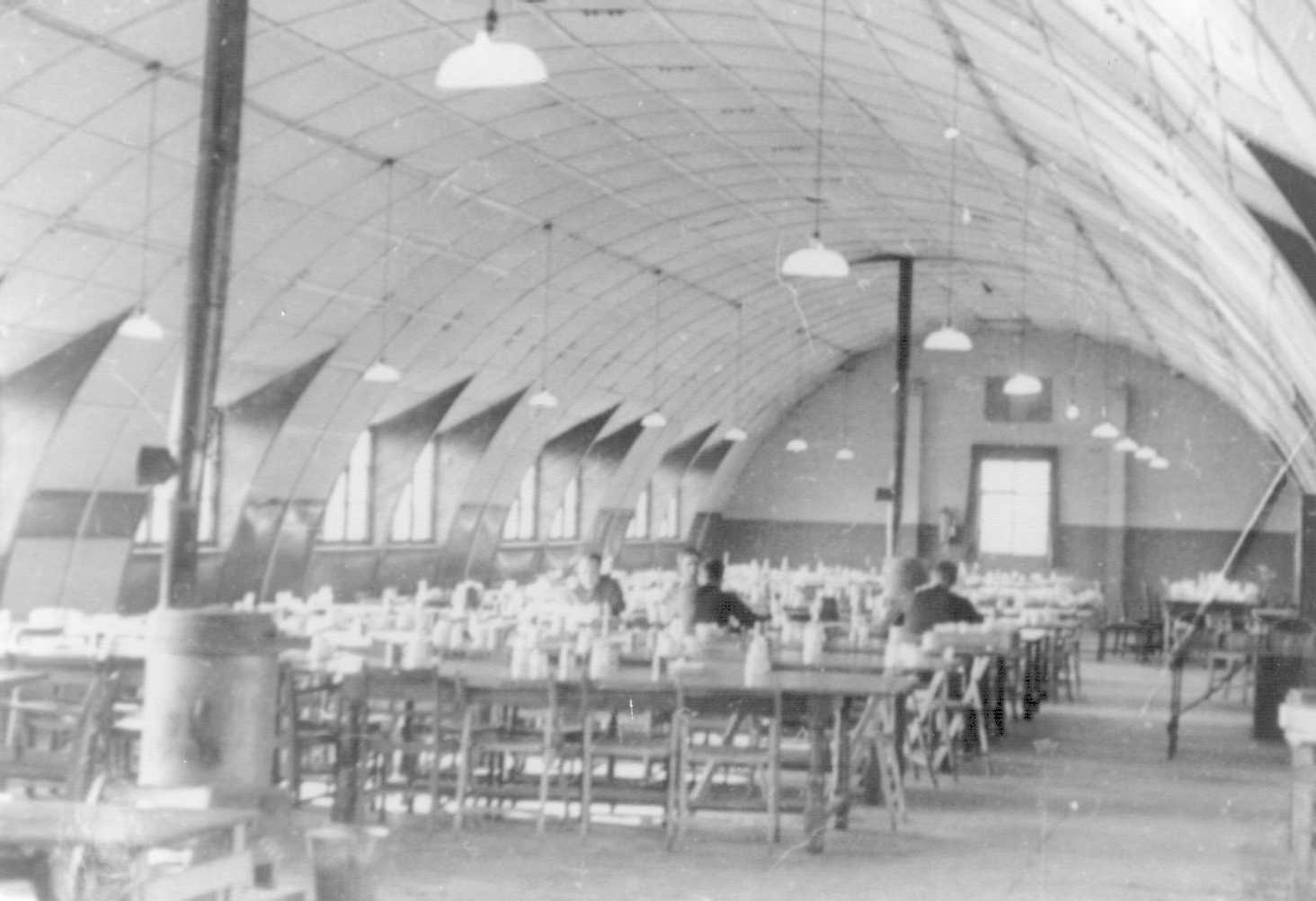
The Mess Hall at RAF Harrington where Chuckie likely had his last meal.

Sadly, Chuckie was Killed in Action in the first month of Carpetbagger’s six months of operations at Harrington in 1944. Its operations peaked in June and July 1944 and on 13 August 1944, the Carpetbaggers at Harrington were re-designated as the 492nd Bomb Group (BG). Carpetbagger operations came to a practical end on the night of 16/17th September 1944.

The 492nd BG at Harrington continued supply dropping, bombing and missions until 7 May 1945 when Germany finally surrendered. They then left Harrington for Kirtland Field, Albuquerque, New Mexico where they later joined up with the ground echelon who had travelled back to America by the ocean liner Queen Elizabeth. The Group deactivated on the 17th October 1945.

Following the withdrawal of the Americans, Harrington airfield fell into a period of disuse and returned to farmland. It received a new lease of life when it was selected to become one of the RAF’s Thor missile sites in the late 1950’s.  The site was again abandoned in 1965 and the buildings, runways and most of the roads and taxiways were demolished.

Today, the foundations of some WWII buildings can still be seen around the site of the airfield, the only remaining original substantial WWII buildings left standing are where The Carpetbagger Aviation Museum is now housed in part of the original Operations Building at the airfield’s administration site. 

I hope to get there one day to take in the English countryside view Chuckie saw the last day he saw daylight – 27 April 1944.

15 Feb 1944 – “The Ambrose Crew” arrive to Great Britain

By 1944, US forces reached their greatest numbers in preparation for the Normandy Invasion.  After training in the US for two years, Chuckie arrived to Royal Air Force (RAF) Alconbury in England some time in the Jan-Feb 1944 period. He was part of the 36th Bombardment Squadron enhancement forces for the planned Allied Invasion in June.

Chuckie’s unit was formed in November 1943 to clandestinely deliver agents and supplies into Nazi-occupied Europe for the Office of Strategic Services (O.S.S.). To address this mission, specially modified B-24 Liberators were formed and activated at RAF Alconbury, England. This was the very beginning of Operation Carpetbagger.

Chuckie was part of pilot George W. Ambrose’s crew on “The Worry Bird” a specially modified B-24D Liberator aircraft. Carpetbagger aircraft flew spies called “Joes” and commando groups prior to the Allied invasion of Europe on D-Day and afterward and retrieved over 5,000 officers and enlisted men who had escaped capture after being shot down. The low-altitude, nighttime operation was extremely dangerous and took its toll on these airmen. The first aircrews chosen for this operation came from the anti-submarine bomb groups because of their special training in low altitude flying and pinpoint navigation skills.

My research uncovered that Chuckie and his fellow “Ambrose” crew successfully completed five classified Carpetbagger missions in the month of April 1944 before its fiery crash in France behind enemy lines.


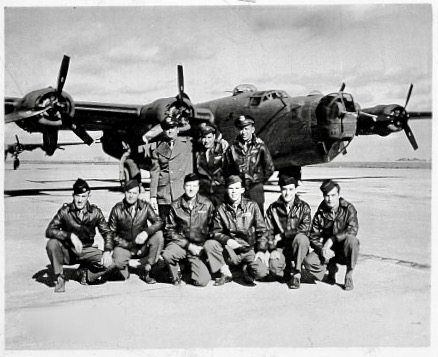
B-24 Liberator “The Worry Bird” Picture Date: December 1943
Back Row Left to Right:
1st Lieut. George W. Ambrose (Pilot); 2nd Lieut. Peter Roccia; 2nd Lieut. Robert H. Redhair 
Front Row, Left to Right: Sgt. Eddy Dwyer;  Staff Sgt. George Henderson; Sgt.Wilford Bollinger;
Staff Sgt. Charles M. Wilson; Sgt. Donald Dubois; Sgt. James Heddelson

Attending “Pathfinder” School

Although Great Britain is a small nation, for many young American pilots newly arrived from the Midwest and used to training over the blue skies over Texas, it was easy to get lost.  England was a patchwork of fields, towns, and villages.  Pilots have written that it all looked remarkably similar from the air.  There were more than 140 airfields in the UK.

Getting around on the ground wasn’t any easier as the British had removed practically all the road signs and mile markers as a German invasion was always a threat. Navigation became such a problem that a special “Pathfinder” school was established at the RAF Alconbury (AAF-102) in Huntingfonshire, which today was amalgamated into Cambridgeshire.  Chuckie and his crew were likely there on orders to learn the mysteries of navigation from the experts of the 482 Bombardment Group.

A new airfield under construction in the depths of rural NorthamptonshireRAF Harrington (Station 179) would be the Ambrose Crew’s next destination. It proved ideal for Carpetbagger operations and the heavy equipment and aircraft.

Soon the Ambrose Crew would move there.


4-5 January 1944 – First Carpetbagger Mission from Harrington

For over fifty years, families of American servicemen Killed In Action on Operation Carpetbagger like Chuckie knew very little about their loved ones’ dangerous, top-secret mission or the circumstances of their death. It was classified, top-secret. During World War II, Operation Carpetbagger was a general term used for the aerial resupply of weapons, ammunition, food, medical supplies, and sometimes even spies to resistance fighters in France, Italy, and other European countries by the U.S. Army Air Forces.

Carpetbaggers Insignia

Today, thanks to declassification of Army Air Force and OSS records beginning in the 1980s, and many years of effort by a handful of researchers, there is considerable information on Operation Carpetbagger now available. It can easily be found in national archives, history books, museums, news articles, movies, websites and YouTube videos. (Don’t worry reader, the entire history won’t be covered on this blog. Just what’s relevant to complete Chuckie’s story.)

Operating under the cover of night darkness and often in weather considered impossible for flying, they flew Consolidated B-24 Liberators to supply French partisan groups north of the Loire River in support of the upcoming D-Day invasion.  Chuckie and his air crew joined the Carpetbaggers at Harrington on 25 March 1944 and flew five successful missions to France and back again over the following weeks of April 1944.

They dropped canisters of supplies to resistance fighters: radios, batteries for radios, weapons, ammunition, first aid supplies, food, clothing, and many other daily necessities. They also delivered items used in the world of espionage agents. A parachute attached to one end of a canister, and the other end had a shock-absorbing cap to protect the contents. Once on the ground, resistance forces quickly gathered the canisters before German forces could arrive.

I found on YouTube a fascinating 15-minute Central Intelligence agency archival film hat’s been digitally restored of the actual Carpetbaggers at Harrington. At minute 12:40, watch for the aviator checking his watch on the farthest left. When he lifts his head up and looks at the camera, is it possible we catch a glimpse of Chuckie for a brief moment? Some in Chuckie’s family think so.

In addition to the dangers from German night fighters and flak, the Carpetbaggers always ran the risk of crashing into hillsides as they made low-level parachute deliveries to the resistance forces waiting below. I found out that is exactly what happened to Chuckie and his fellow airman of “The Worry Bird” that fateful night. Stay tuned.

Carpetbaggers were among those who received the Congressional Gold Medal in DC last year. The group has been generally recognized as the ancestor of today’s Air Force Special Operations. The National Air Force Museum in Dayton, Ohio has one of the few surviving Consolidated B-24 Liberators like Chuckie flew on display.

I hope to see it one day.

October 1942 – Training Serial #13108715 Army Recruit

Chuckie was one of more than three million who joined the Army in 1942, the year after Pearl Harbor. At the outset of World War II, the United States Army was short of properly trained and prepared Soldier. To answer the call for more combat troopers, the Army built induction centers all over the country. New recruits and draftees had to be inducted into the Army, trained, and shipped to war as quickly and efficiently as possible. 

Like Chuckie, the new additions were mostly young Americans who would normally have been pursuing jobs, schooling, and family life, but instead were answering the nation’s call to arms. Each were assigned serial numbers. I found Chuckie’s record in the The National Archives. Many of them had never even traveled outside their home state, let alone Europe, Asia, or the Pacific Islands. Preparing these millions of civilians for war would be one of the military’s most daunting challenges.

All new recruits went through a few weeks of basic training, often called “boot camp.” The goal was to turn the wide variety of individuals who entered the service into teams of fighters who could work seamlessly with one another to achieve their objectives. 

Soldiers who needed training to perform specialized jobs, such as mechanics or radio operators, shipped off to special schools to learn their new trade. Soldiers serving as infantry, paratroopers, or artillery went to basic training to learn to be a soldier in their specific branch.

Camp personnel shaved the heads of the recruits and assigned them serial numbers. Platoons of recruits slept, ate, and learned together, and even did hours upon hours of physical fitness training as a unit. Following commands, they practiced the same basic skills over and over— marching, loading, unloading, and cleaning their weapons. Drill instructors used tough methods to force the newcomers to become attentive to detail and protocol. Even the smallest mistakes could result in extra kitchen duty or a challenging physical punishment—sometimes for the entire group.

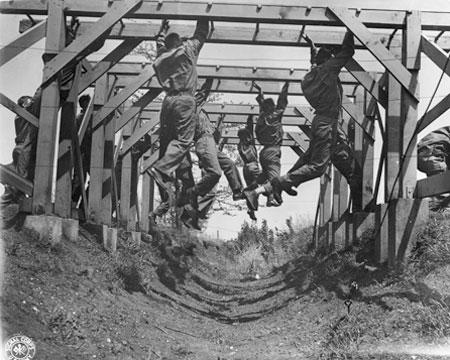
Physical therapy on overhead bars.
Photo credit: U.S Army Heritage and Education Center

The Library of Congress holds thousands of images from World War II in its collections — from sources as diverse as the soldiers themselves, civilians, government agencies, professional photographers, and more.  information can be found on the The National WWII Museum’s website.

Soldiers tackle part of an obstacle course at Camp Edwards, Massachusetts, 1942. 
(Image: Library Of Congress, LC-USW33-000257-ZC.)


Sept 1942 – Saying ‘Farewell’ but not ‘Good-bye’

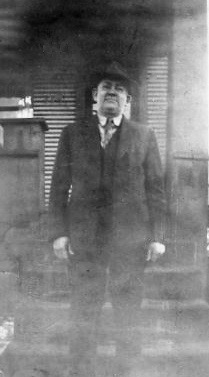
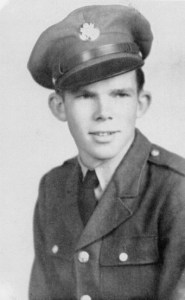
Nearly 16 million Americans served in uniform in WWII. I cannot imagine what feelings and emotions families felt as they said ‘good-bye’ to their sons and daughters leaving their small towns and communities in America to fight in a terrible world war far away in countries most had never been. For the Wilson family, it was a sad day. It was the last time they ever saw Chuckie – their son and brother.

Chuckie’s family was always proud of him, what he did for his country and the ultimate sacrifice made for freedom. Over the years since his death, each drew strength and comfort from the knowledge that he’d played a small part in protecting the freedom of others and winning the war. The pain of their loss was ever present for the rest of their days.

Chuckie’s parents Evie and “J.B.” were both in their early 50s when he left.

Chuckie’s brother Jack was newly married to Geraldine
(and maternal grandparents of this author).


His sister Mary was 18 years old and had just graduated from high school.

Much agonizingly painful time passed between 28 April 1944 when Chuckie was first reported as Missing in Action behind enemy lines to years later when his mother finally received the letter confirming he was Killed in Action and buried in France. The Wilson family never received many more facts surrounding his death. But there was so much more.

Today, there is considerable documentation among many different series of records in the National Archives relating to the casualties of the war. Individual casualty files exist for all service members who died while on active duty, such as Chuckie.  Beginning in June 1943, such individ­ual aircraft losses were documented by a “missing aircrew report” (MACR) prepared by the unit to which the individual was assigned. Thankfully, that record exists for Chuckie.All of these records helped me to compile many of the details you will see in future posts.

However, for many families there is no record. At least 30 percent of all operational losses are not documented by a MACR. Also a MACR documents only losses on combat missions when the plane came down in non-friendly territory.

The Second World War also became the first U.S. conflict to be documented visually through the use of film and photogra­phy on a large scale. I found so much more of that too that will be shared in future posts. I’m sorry that my great- grandparents and the rest of my family who knew him went through the rest of their entire lives never knowing the facts of Chuckie’s heroism and bravery that we know today.

Stay tuned.


9 September 1942 – Enlistment in US Army

Chuckie was 20 years old when he was enlisted to serve in United States Army during World War II. The terms were for the duration of the War or other emergency, plus six months, subject to the discretion of the President or otherwise according to law. Chuckie’s official enlistment record notes he is single with no dependents and is semi-skilled welder and flame cutter.

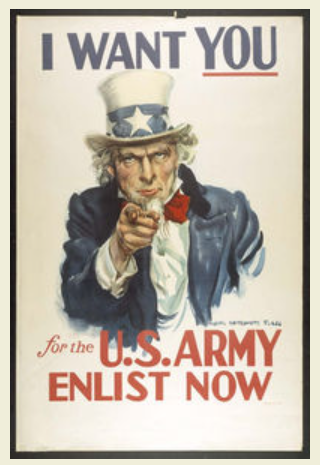
During American involvement in World War II from 1941–45, the government used propaganda through a diverse set of posters to increase loyalty to war efforts and commitment to victory. I do not know why Chuckie enlisted that day. There is no one alive anymore who remembers him for me to ask.

Who me? Yes, You!

Posters were widely used by the United States for propaganda during World War II, so much that there were over 200,000 poster designs created and printed during the war. The posters mostly had a positive message, which differed from other countries. With a stern look and bony finger pointing out, the “I Want YOU” poster was the embodiment of America that pushed all young men to enlist for their moral responsibility. Of all World War II propaganda posters with explanation, Uncle Sam sticks out as one of the most famous. Actually, this poster was first published in 1916 for the First World War recruiting efforts. It proved to be so popular, the U.S. Army revamped it and pushed it out again for the Second World War. With its proliferation and its incorporation into satire throughout the 20th-century, this image continues to reverberate strongly in American cultural memory.

30 June 1942 – Draft Registration

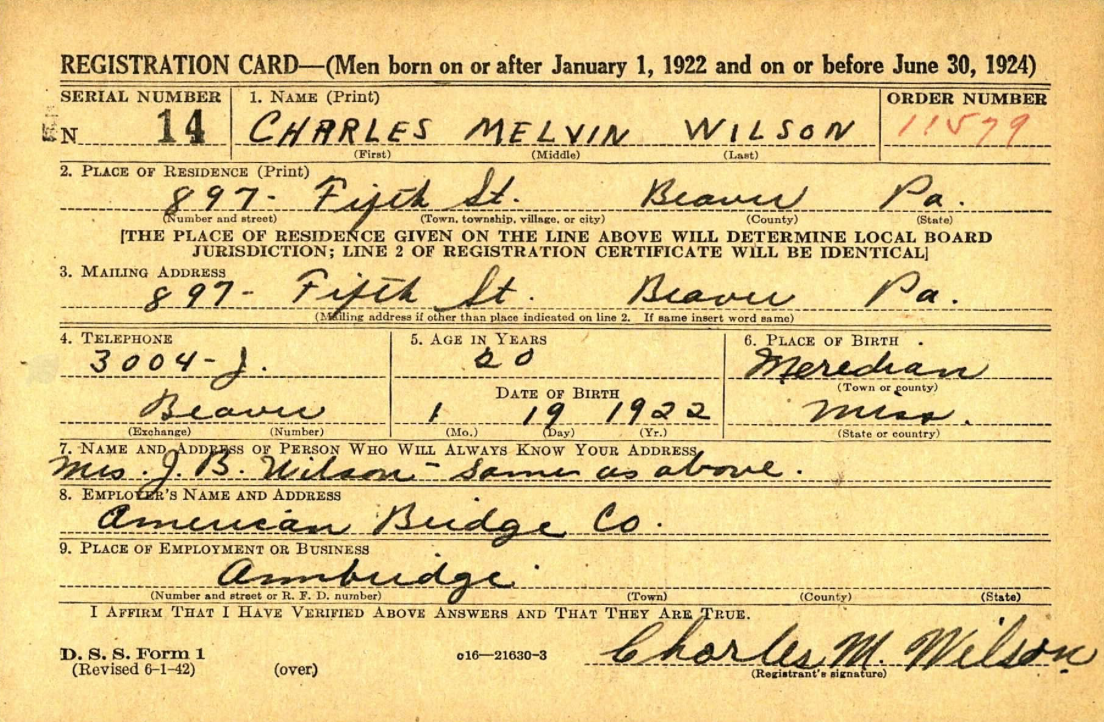
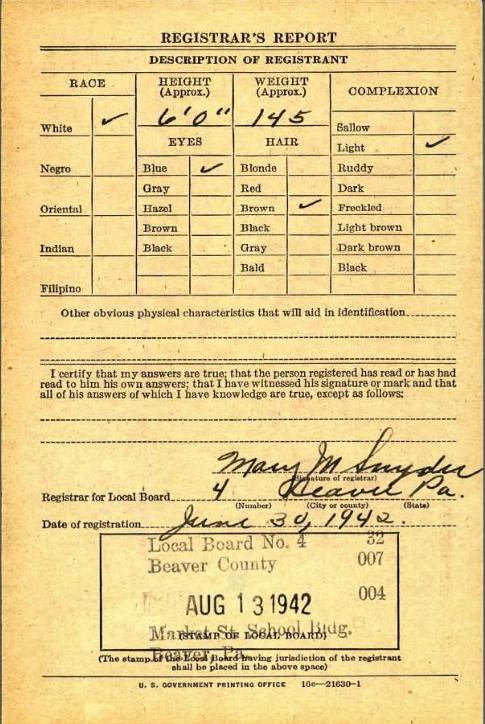
Six months after Pearl Harbor, Chuckie was 20 years old when he registered for the draft as required under the 1940 Selective Training and Service Act. Between 1941 and 1943, there were five draft registrations for WWII as the ages changed to 18-44. I found his draft card on the National Archies. It is the only known record of Chuckie’s signature. He’s listed as being 6 Feet tall and 145 lbs. which sounds about right for an active, healthy 20 year old.

Employer: American Bridge Company in Ambridge, Pennsylvania

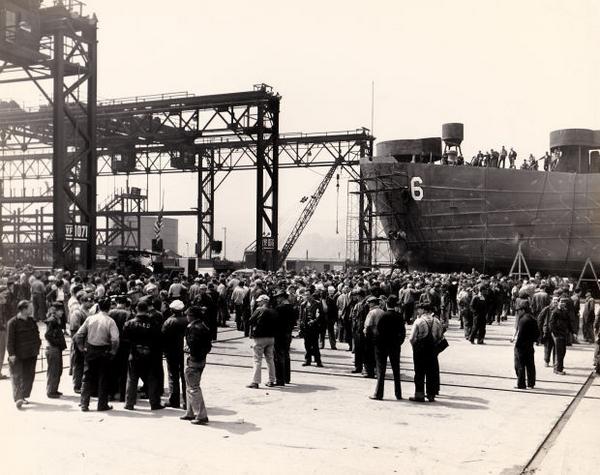
At that time Chuckie was working at American Bridge Company, a legendary heavy/civil construction company founded in 1900. A modern fabricating and manufacturing facility in Western Pennsylvania was completed in 1903 and became the largest such facility in the world. It was the place where steel was fashioned into the skeletal framework of many of the nation’s ships, bridges and buildings.

A entire town grew around the plant and became known as Ambridge, a conjunction of “American” and “Bridge”. Many of our family, friends and neighbors worked at that plant.

A crowd gathers as workers at American Bridge Co. of Ambridge launch a landing ship tank that was produced in 1943 for the war effort.
Photo Credit: Elwood City Ledger

American Bridge’s entire capacity was utilized for National Defense projects from 1941-1945. American Bridge manufactured 199 LST’s as well as four Aviation Repair Vessels, major components for 11 Essex Class Aircraft Carriers, one Super-aircraft Carrier, and 31 Auxiliary Converted Aircraft Carriers, 77 C Type Cargo Ships, four Tankers, 20 Cargo Lighters, and 348 Knock-down Barges.