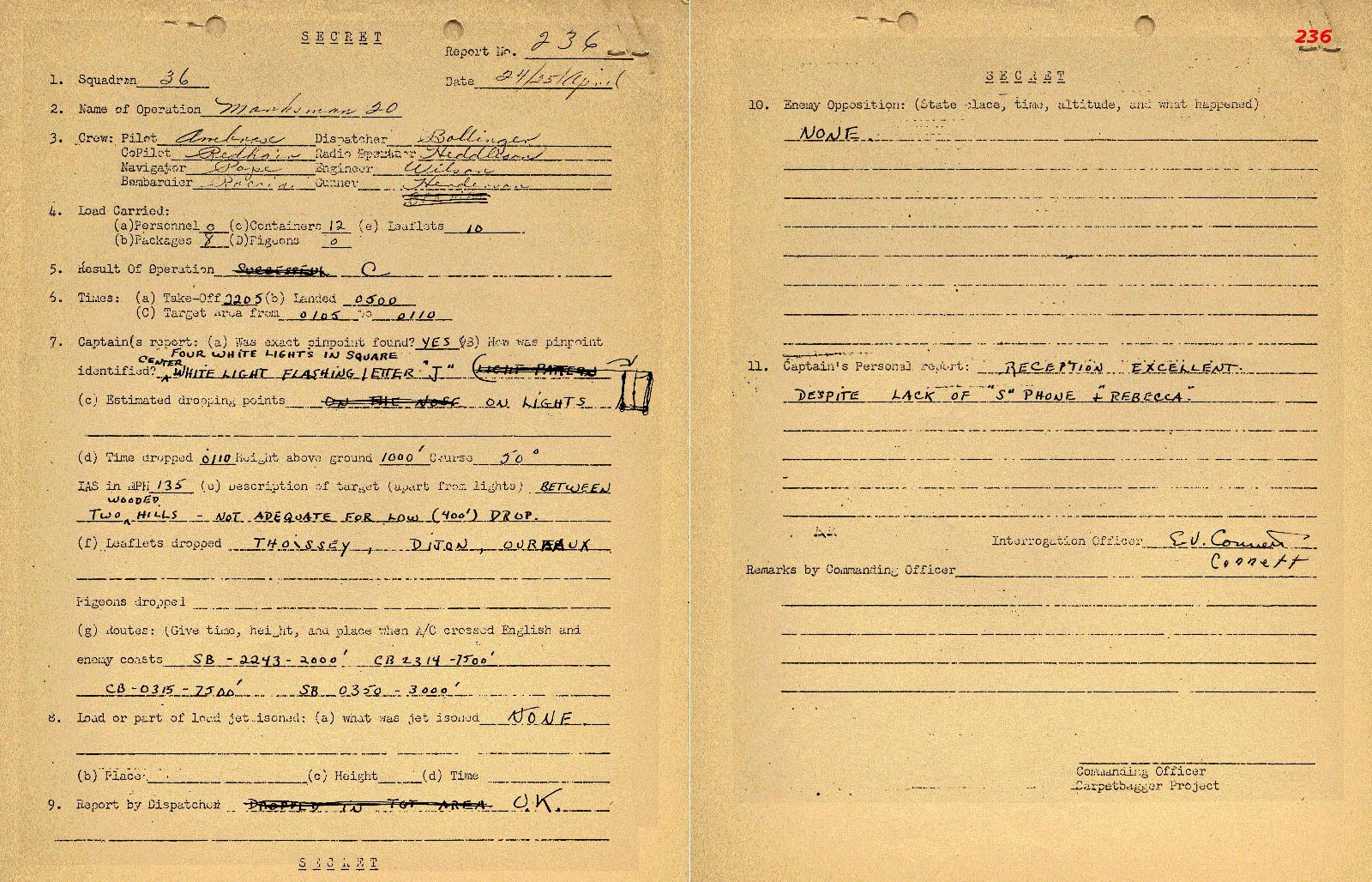
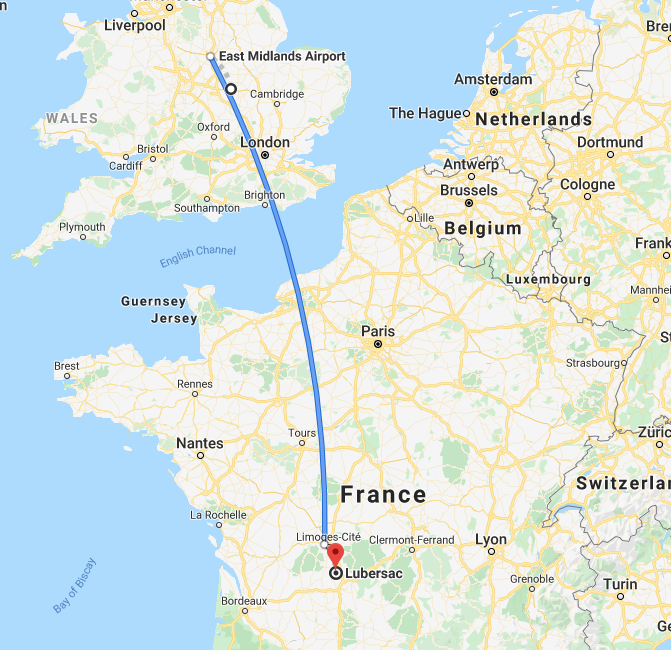
Report 236 – Another completed operation. The Ambrose crew completed operation “Marksman 20”, its third successful mission. Chuckie took off from Harrington at 10:05PM on 24 April and returned to home base safely at 5:00AM the next morning. The Worry Bird B-24 Liberator reached its target at 1:05AM. The crew identified the pinpoint for the drop by “four white lights in a square and a center white light flashing the letter “J”. They dropped 12 containers and 8 packages to the waiting resistance army flying 1000 feet above the ground.
The report notes that the drop was made “between two wooded hills – not adequate for low (400’) drop.” Presumably, this was the exact same drop location in France referenced on their prior mission. Pilot Ambrose notes in his personal report that “reception excellent despite lack of “S” phone + “Rebecca.”
This was the Ambrose Crew’s last completed operation and the last time the crew flew together as one unit. On The Worry Bird’s next and final flight three nights later, regular crew member Sergeant Wilford Bollinger did not fly because he was sick in the infirmary. In his place, Sergeant James Cyrll Mooney volunteered to substitute for him. More coming up. . .
Operation Report of Chuckie’s third successful operation – “Marksman 20”
Chuckie’s first mission was actually the second night of combat missions at Harrington. Twenty two aircraft lifted off the runway that night.
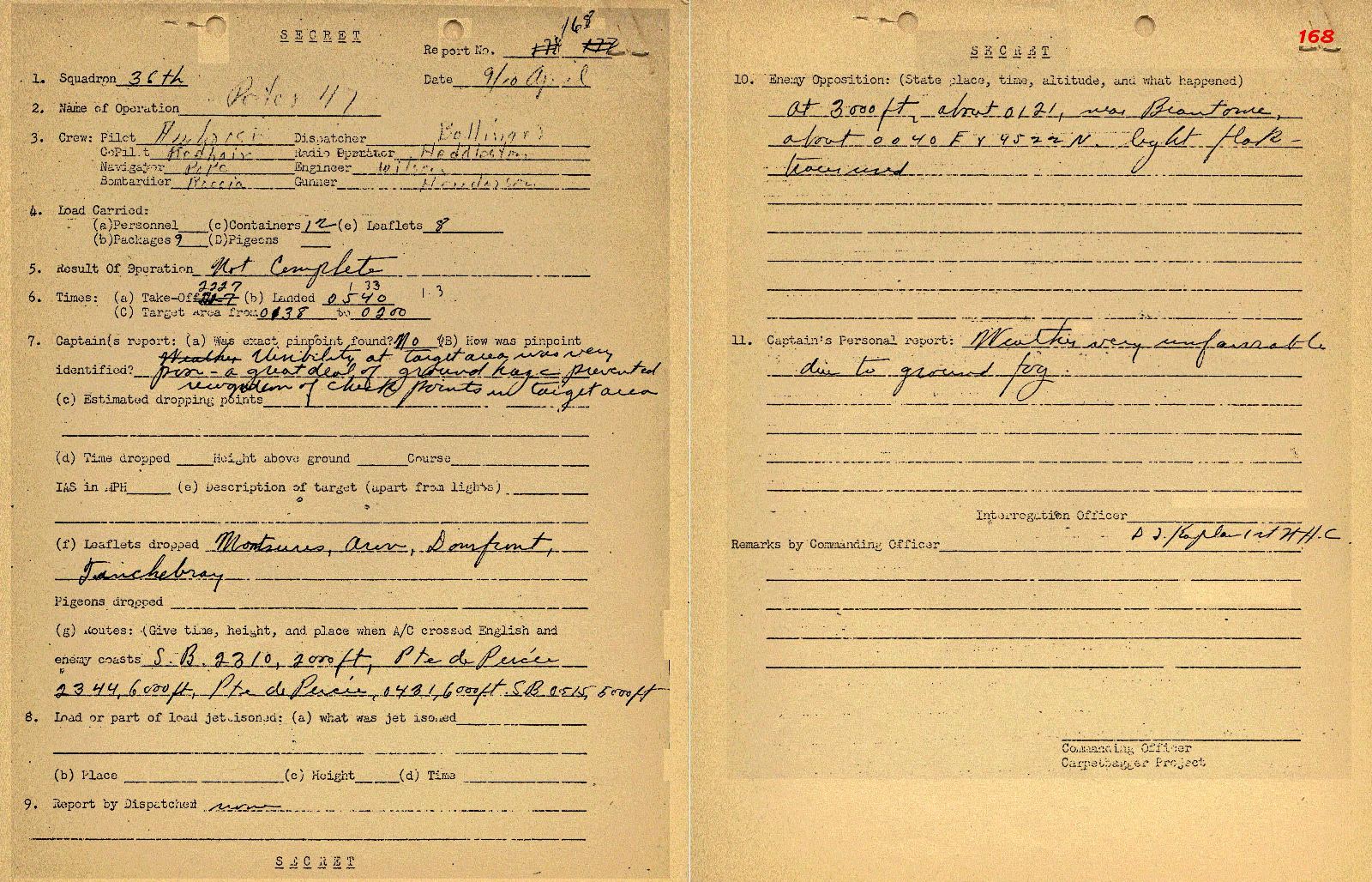
Report 168: Chuckie’s first flight mission is documented in a Secret Mission Report dated 10 April 1944. These reports were filed by the Commanding Officer immediately after each aircrew were debriefed when they returned back from its “Special Operation.”
Report 168 lists Chuckie as the Engineer of the B-24 Liberator that took off for France at 10:27 PM on 9 April and returned at 5:40 AM the next morning 10 April. The plane was carrying 12 containers, 8 leaflets and 9 packages to be dropped to the resistance in France.
Their Target was Peter 47 – specific coordinate was 45° 26′ N 01° 25′ E
Result of Operation: Not Complete
B-24 Liberators were big planes for carrying supplies and people. The bottom gun turret had been taken out and the hole covered with plywood. The opening was known as a “dump hole” or “joe hole.” Supplies were all packed in long tubes that the crew shoved out when the pilot signaled.
The reason given: “Visibility of the target was very poor – a great deal of ground haze prevented navigation of check points with target was the reason.” The report also notes that at 1:21 AM they encountered enemy opposition enemy opposition at 3,000 feet on their left flank.
I was amazed when after a few clicks on the internet, I was able to get a copies of all the Mission Reports for each of Chuckie’s Carpetbagger missions. The first one was filed 10 April 1944. Stay tuned for the rest.
The Mission Report from Chuckie’s first Carpetbagger Mission
Interrogation (debriefing) of Crews
When an aircraft completed its mission and returned to the home base, its crew were driven directly to the Intelligence Library situated at the rear of the Group Operations Building for debriefing by S-2 Officers.
Drop success that evening had been fourteen complete and nine incomplete. Three out of the four agents had been delivered, 156 of 252 containers had been delivered, 202 of 210 bundles delivered and 95 out of a possible 139 packages had been delivered.
The interrogation may find a crew showing the stress of a hard dangerous mission which has lasted from five to eight hours. Free, frank interchange of information is encouraged. The S-2 Officers handle the jumpy crew with a great deal of tact and flexibility. An official Report is then filed by the Commanding Officer.
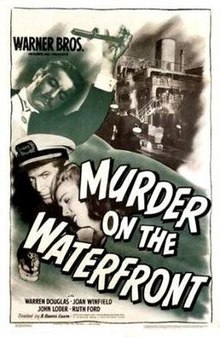
The movie playing that night was Murder on the Waterfront – the 1943 American film staring Warren Douglas and Joan Winfield.
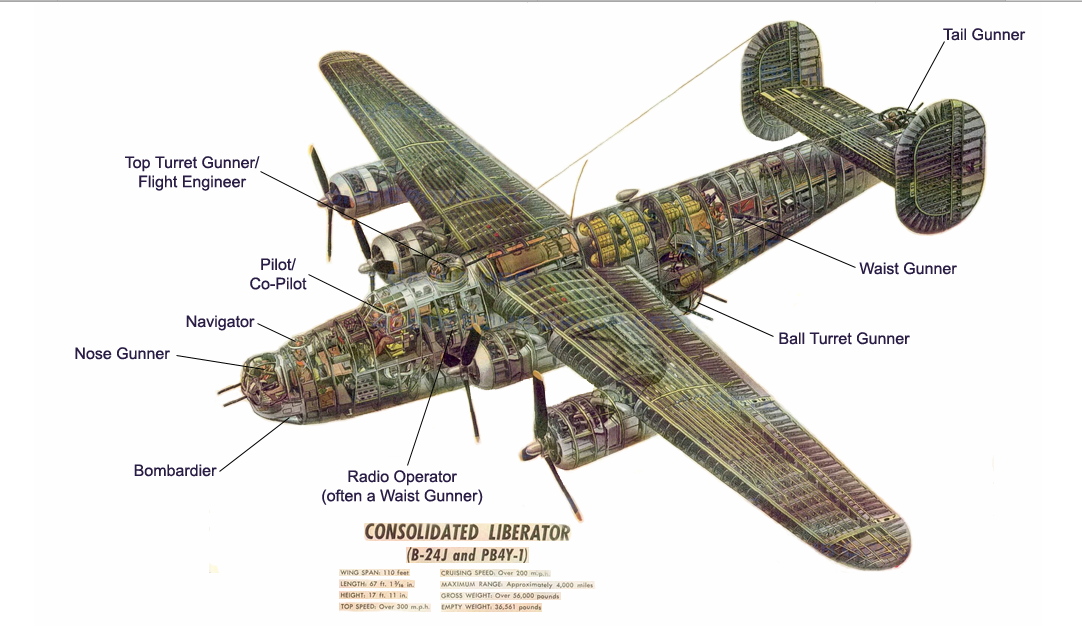
Records show that Chuckie was the Flight Engineer of “The Ambrose Crew” on the B-24 Liberator “The Worry Bird” for those Carpetbagger missions in April 1944. A B-24 carried a crew of eight to ten men (a ten man crew was most common) comprised of both officers and enlisted men. Among the six enlisted crewmen, each crew typically had three specialists: the Flight Engineer which Chuckie was; Radio Operator; and Aircraft Armorer.
The Flight Engineer had to be a qualified airplane mechanic. Chuckie had gone through training school (and in all probability) at Kesssler Air Force Base, in Biloxi, Mississippi. It focused on specialized training in Consolidated B-24 Liberator maintenance. The Liberator was a complicated and advanced machine, leading to prolonged training programs.
The Engineer perhaps knew more about the B-24 than any other member of the crew, including the airplane commander. In emergencies, the airplane commander turned to the engineer. The duties of the flight engineer were to assist the pilot and copilot in monitoring the performance of the engines and to keep track of fuel burn.
The Engineer was usually also the top turret gunner, a position that allowed him to monitor the four engines and where the Pilot could call to him in a hurry, when something went wrong and needed fixing, while in the air. The Pilot and Co-Pilot’s attention were needed in the duties of flying the plane. The top turret gunner’s position provided a good view of the engines as well as a panoramic view of the surrounding airspace.
The May 1, 1945 version of the B-24 Pilot Training Manual provides the following duties for the Flight Engineer:
Principal duty: Aerial Engineer
Secondary duty: Top Turret Gunner
Added duty: Qualified for Copilot Duties
Added duty: Parachute Officer
Added duty: First Aid Specialist
Added duty: Assistant Radio Operator
One veteran noted that the Engineer usually got to fly the plane many times, and on occasion, to even take off. Maybe Chuckie got to do that too.
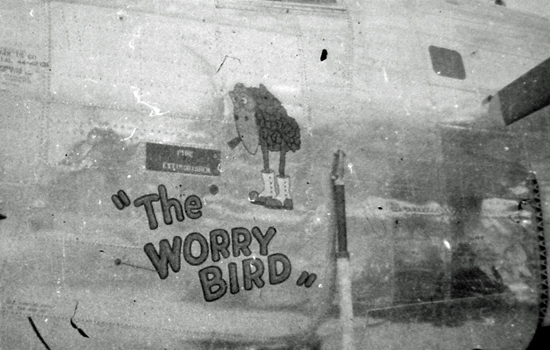
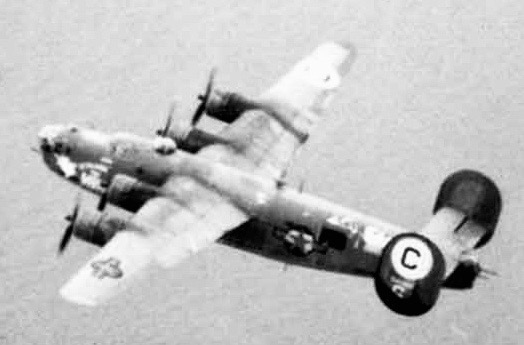
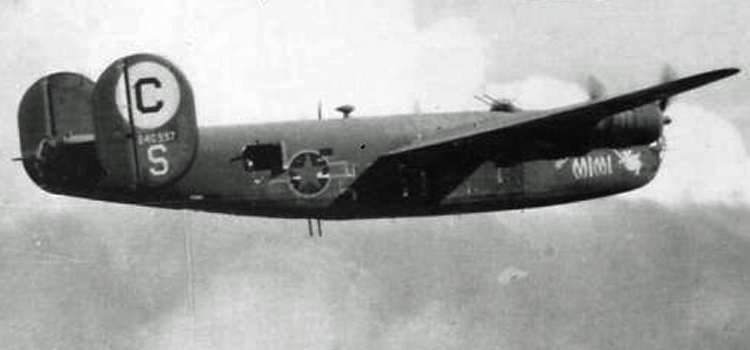
The B-24 Liberator Bomber that Chuckie and his fellow airman flew on their missions was renamed “The Worry Bird” in February 1944 when it became a Carpetbagger B-24. These aircraft were specially modified B-24s painted with a glossy black anti-searchlight paint to supply friendly underground forces throughout German occupied Europe. Flights were made at night and at low altitude levels making them particularly dangerous.
The serial number of the plane Chuckie was killed in was 42-40997 which I found along with pictures of the plane on a website dedicated to WWII B24 Liberator Bombers. This was an important fact to know because information about all missing WWII aircraft in the National Archives are filed under the plane serial number. With the serial number, I was able to locate an enormous amount of information about Chuckie, his fellow airman, their mission and its Missing Aircraft Report (MACR).
Photo Credit: Amy Combat Photographer Bernard A. Kotfila
Chuckie and the squadrons flew agents and supplies into southern France with B-24 Liberators that had all armament removed except in the top and tail turrets. In addition, the standard bomb shackles were removed from the bomb bay and British shackles were installed to accommodate special supply canisters. All unneeded radio gear was removed, as were the oxygen bottles.
Flash suppressors were installed on the guns, flame dampeners weren installed on the turbo-superchargers, and blackout curtains were installed over the waist gun windows. Light bulbs were painted red to spare night vision and special radio gear was added to assist in navigation and homing in on drop zones. The undersides of the aircraft were painted black to avoid detection by enemy searchlights. Combat with the enemy was avoided as it only endangered the success of the mission.
Drops were also made using radio-navigation equipment. Supplies were also released in containers designed to be dropped from the existing equipment in the bomb bay. Pilots often flew several miles farther into enemy territory after completing the drop to disguise the actual drop zone in case enemy observers were tracking the plane’s movement.
Between January and September 1944 the 801st / 492nd Bomb Group undertook 2263 separate missions. More information can be found on the Carpetbagger Aviation Museum website.
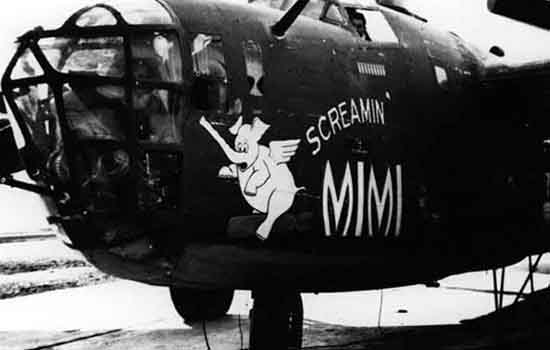
The plane was originally named the Screaming Mimi before its Carpetbagger missions
Of the 19,256 aircraft built, 13 complete examples survive today, two of which are airworthy. Eight of the thirteen aircraft reside in the United States.
 Unforgotten Glory